
HOME · HOOKAH VS VAPE — DIFFERENCES, COST, AND HOOKAH PEN VS VAPE PEN REVIEWED 2026-05-18
BLOG · CATEGORY EXPLAINER

Hookah vs Vape — Differences, Cost, and Hookah Pen vs Vape Pen

O
Reviewed by Olit Hookalit Editorial Team · Authorized US Distributor — West Sacramento, CA
WRITTEN 2026-04-22 · UPDATED 2026-05-18
SNAPSHOT
16th c.
HOOKAH ORIGIN
2003
VAPE INVENTED
200K
MEGA 200K PUFFS
0.35%
MEGA NIC %
TL;DR — tap to expand
SPEAKABLE

Hookah has been part of social gatherings for centuries — a shared ritual built around slow draws, rich shisha flavors, and unhurried conversation. Vaping arrived much later, offering a battery-powered, pocket-sized alternative that millions now use every day. So when someone asks “hookah vs vape — what is the r…

What Is a Hookah and How Does It Work

A hookah (also called shisha, narghile, or water pipe) is a water-filtration smoking device that dates back to 16th-century India and Persia. Olit Hookalit sits at the intersection of this tradition and modern disposable vape hardware. The core design has barely changed in 400 years:

  1. Bowl — holds flavored shisha tobacco (a mix of tobacco leaf, molasses or honey, glycerin, and flavorings)
  2. Charcoal — sits on top of the bowl, heating the shisha without direct combustion
  3. Stem & downstem — carries the smoke down into the water base
  4. Water base — cools and partially filters the smoke
  5. Hose & mouthpiece — the user draws from here

A typical hookah session lasts 45–90 minutes. The slow pace, large clouds, and communal hose-passing are what make hookah a distinctly social experience. Shisha flavors like Two Apple, mint, and grape have remained popular across hookah lounges for decades.
What Is a Vape and How It Differs

A vape (electronic cigarette, e-cig, or vape pen) heats a liquid solution — called e-liquid or vape juice — into an inhalable aerosol. No tobacco leaf is burned, and no charcoal is needed. The basic anatomy:

  • Battery — rechargeable lithium-ion cell (often USB-C)
  • Coil / atomizer — a small heating element wrapped in wicking material
  • E-liquid tank or pod — holds the juice (PG/VG base + nicotine + flavoring)
  • Mouthpiece — draw-activated or button-fired

Vaping sessions are short — a few puffs here and there throughout the day. Modern disposable vapes offer 5,000 to 60,000 puffs per device, making them a grab-and-go experience rather than a sit-down ritual.

Worth Noting: The difference between hookah and vape is not just about technology. Hookah is traditionally a communal, stationary experience; vaping is individual and portable. This fundamental contrast shapes everything else — flavor, cost, and social dynamics.

Hookah vs Vape: Feature-by-Feature Breakdown

Below is a direct comparison across the factors that matter most when choosing between hookah and vaping. Every row highlights a specific difference between hookah and vape that affects your everyday experience.

FeatureHookahVape
Heat sourceCharcoal on shisha tobaccoBattery-powered coil
Session length45–90 minutesQuick puffs, anytime
PortabilityStationary / loungePocket-sized
Flavor mediumShisha tobacco (molasses)E-liquid (PG/VG)
Social styleCommunal, shared hoseIndividual, personal device
Setup time10–15 minutes0 seconds (draw-activated)
MaintenanceWash base, clean hose, buy coalsCharge or replace
Average cost/session$8–$15 (home) / $20–$40 (lounge)$0.30–$1.50 per session

Flavor Experience: Shisha Tobacco vs E-Liquid

Flavor is often the first thing people notice when comparing hookah vs vape. Both deliver bold taste, but the experience is different at every level.

Hookah Shisha Flavors

Traditional shisha tobacco is soaked in molasses or honey, then mixed with glycerin and natural or artificial flavorings. The charcoal-heated draw produces a warm, dense smoke that lingers on the palate. Classic profiles — Two Apple, mint, grape, and watermelon — have remained unchanged for generations. The flavor builds slowly across a 60-minute session, and the water filtration softens each pull.

Vape E-Liquid Flavors

E-liquids use a propylene glycol (PG) and vegetable glycerin (VG) base infused with concentrated flavorings. The result is a sharper, more immediate flavor hit that peaks in the first few puffs. Vape flavor libraries are enormous — hundreds of profiles from candy and dessert to tobacco and menthol. But the experience is lighter and cooler compared to shisha.

The key takeaway: hookah wins on depth, warmth, and session length. Vape wins on variety and instant satisfaction. If you value the slow-building, layered flavor of a Two Apple or mint shisha session, hookah is hard to beat. If you want to swap between Mango Freeze and Blue Razz Lemonade on different days, a vape offers that flexibility.

Nicotine and Session Length Compared

Nicotine delivery is one of the most misunderstood parts of the hookah vs vape debate.

Hookah Nicotine Intake

Traditional shisha contains 3–5 mg of nicotine per gram of tobacco. A standard bowl holds about 15–25 grams of shisha. During a 60-minute session, a user may inhale anywhere from 1.5 mg to 6 mg of nicotine, depending on bowl size, heat management, and draw frequency. The delivery is gradual — a slow absorption curve spread across an entire session.

Vape Nicotine Intake

Most modern disposable vapes use nicotine salt e-liquid at concentrations of 20–50 mg/mL. Each puff delivers roughly 0.5–2 mg of nicotine, absorbed quickly through the lungs. A user who takes 10–15 puffs gets a comparable total dose to a hookah session, but compressed into 5 minutes instead of 60.

Worth Noting: Neither hookah nor vape is nicotine-free. If you are concerned about nicotine consumption, check the specific product specifications. The Olit Hookalit Pro 60K, for example, lists its nicotine content on the packaging, so you know exactly what you are getting.
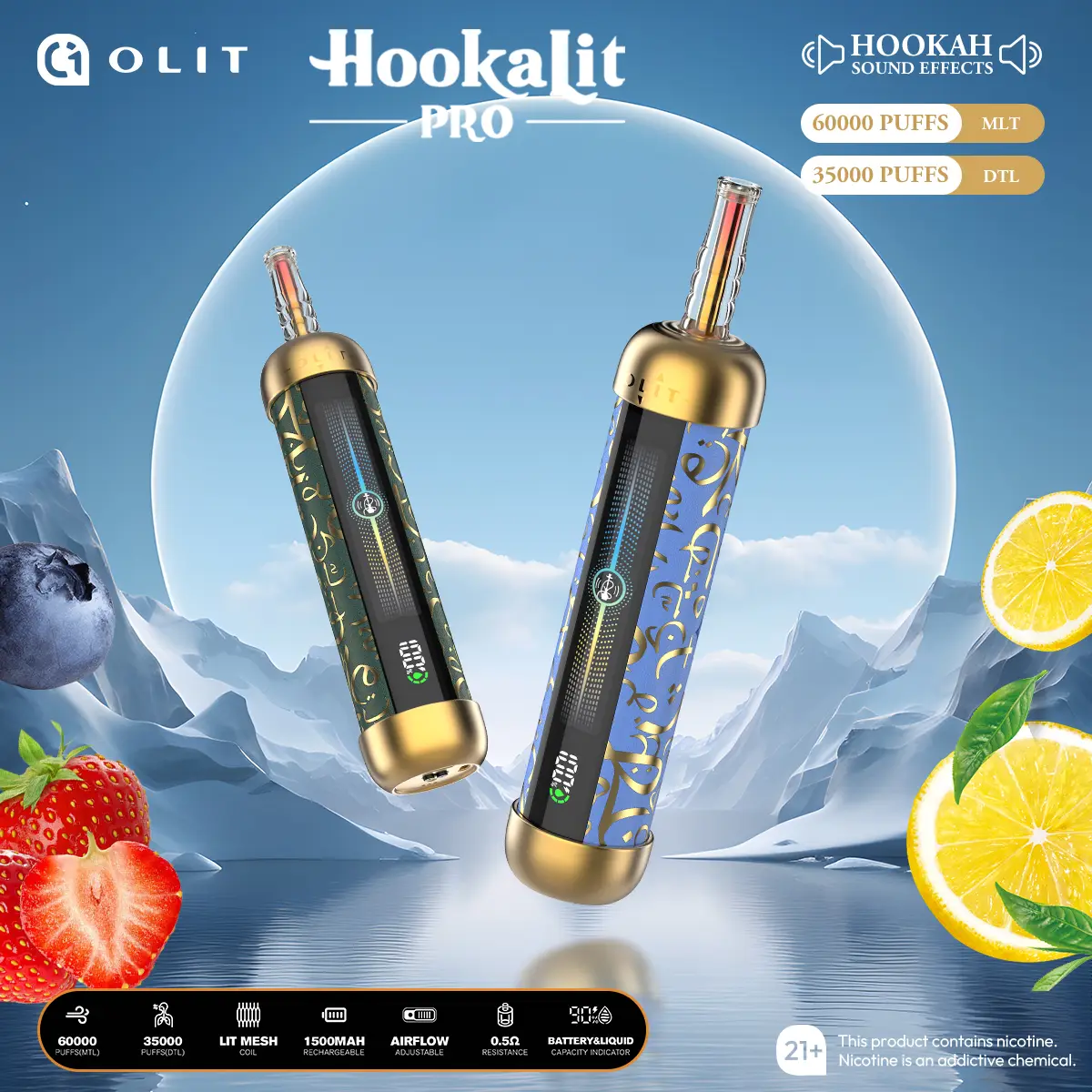
Olit Hookalit Pro 60000 Disposable Vape

Olit Hookalit Pro 60K

60,000 puffs • 10 shisha-inspired flavors

$20.99

Order Yours
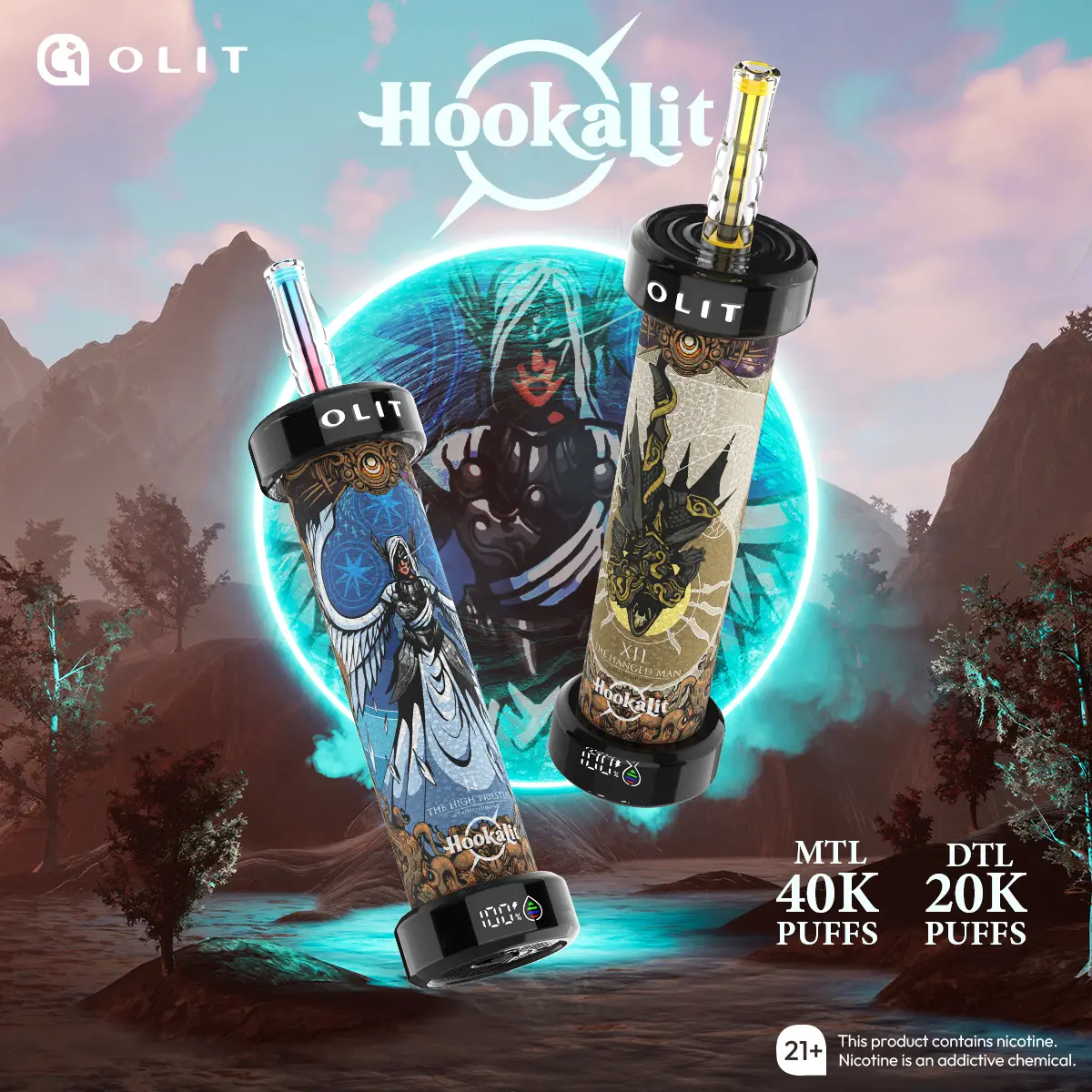
Olit Hookalit 40000 Disposable Vape Tarot Edition

Olit Hookalit 40K — Tarot Edition

40,000 puffs • 12 unique flavors

$18.99

Order Yours

Cost Per Session: Hookah vs Vape

Money matters, and this is where the difference between hookah and vape becomes starkly clear.

Hookah Costs

  • Hookah device: $30–$150 for a quality home setup
  • Shisha tobacco: $8–$15 per 100g (lasts 4–6 sessions)
  • Charcoal: $5–$10 per box (lasts 8–12 sessions)
  • Per session at home: approximately $3–$5
  • Per session at a lounge: $20–$40 (plus tips)

Vape Costs

  • Disposable vape: $15–$25 per device
  • Puff count: 5,000–60,000 depending on model
  • Per session (15 puffs): $0.01–$0.50

Over a month of regular use (one session per day), a hookah lounge habit could run $600–$1,200. A home hookah setup drops that to around $90–$150. A high-capacity e-hookah like the Olit Hookalit Pro 60K at $20.99 for 60,000 puffs costs less than $1 per month at the same usage rate. The economics are not even close. For a detailed look at hookah health risks, read our guide on whether hookah is bad for you.

Portability and Everyday Convenience

A standard hookah weighs 5–15 pounds, requires a stable flat surface, and needs access to charcoal, a lighter, foil or a heat management device, and a water source. That rules out anywhere except a home, a lounge, or a carefully planned outdoor setup. Buyers looking for in-person pickup search Olit Hookalit Near Me, but the brand ships exclusively from one US warehouse — no retail showroom.

A portable e-hookah or disposable vape fits in a pocket. No setup, no cleanup, no accessories. You can use it walking down the street, at a park, or on a break at work. For people who want hookah-style flavor without the logistics, this portability gap is the single biggest reason they switch to vaping.

That said, portability comes with a trade-off: you lose the ritual. There is no water bubbling, no coal management, no passing the hose to a friend. Some users keep a traditional hookah at home for weekend sessions and carry a compact e-hookah for daily use — the best of both worlds.

The Social Side: Group Hookah vs Solo Vaping

Hookah culture is built on sharing. In hookah lounges across the Middle East, North Africa, and South Asia, the pipe sits at the center of the table while friends, family, or even strangers pass the hose and talk for hours. The session pace encourages slow conversation. According to Hawaii's Department of Health tobacco education resources, hookah use often happens in group social settings, which influences usage patterns and frequency.

Vaping is almost always a solo activity. You pull your device from your pocket, take a few draws, and put it back. There is no shared mouthpiece, no communal setup, and no dedicated social space built around the act. Some vape shops offer lounge areas, but the culture is fundamentally different from a hookah lounge.

For users who miss the communal aspect of hookah but want the convenience of vaping, e-hookah devices are starting to fill that gap. They produce large clouds (similar to hookah), use shisha-inspired flavor profiles, and are conversation starters in social settings — even though they are technically single-user devices.

E-Hookah: Where Hookah Tradition Meets Vape Technology

This is the category that most "hookah vs vape" articles miss entirely. An e-hookah is not just a vape with a different label. It is a purpose-built device that borrows from both worlds. The flagship Olit Hookalit Mega 200K is the most extreme example — it screws onto traditional shisha bases for full hookah-session use, while the standalone disposables match the same flavor profile in pocket format.

  • From hookah: shisha-inspired Olit Hookalit flavors (Two Apple, Gum Mint, Blueberry Mint), large cloud production, smooth draw with minimal throat hit
  • From vape: battery power, zero charcoal, pocket-sized form factor, draw-activated firing, pre-filled e-liquid

If you want to understand the difference between a tight mouth-to-lung pull and an open direct-to-lung inhale, read our MTL and DTL mode comparison.

The Olit Hookalit lineup is designed specifically for hookah enthusiasts who want the ritual flavor without the ritual setup. The Pro 60K delivers 60,000 puffs with 10 shisha-rooted flavors, while the Olit Hookalit 40K Tarot Edition offers 12 flavors with hookah-lounge classics like Two Apple Shisha, Lady Killer, and Love 66.

This matters because the traditional hookah vs vape comparison treats them as two separate categories with no middle ground. E-hookah is that middle ground — and it is growing fast among users who value both flavor depth and portability.

Worth Noting: According to Vermont's Department of Health, awareness of alternative nicotine products is an important part of making informed decisions. Whatever you choose — traditional hookah, vape, or e-hookah — understanding the differences helps you pick the option that matches your lifestyle.

Ready to Experience E-Hookah?

The Olit Hookalit Pro 60K brings hookah-lounge flavor into a pocket-sized device — 60,000 puffs, 10 shisha-inspired profiles, no charcoal needed.

For a detailed breakdown of what 0.35% nicotine actually means and how it compares to traditional hookah tobacco and cigarettes, see our hookah nicotine levels guide.

Browse All E-Hookah Devices

Hookah Pen vs Vape Pen — Form Factor Compared

The single most common search variant of "hookah vs vape" is hookah pen vs vape pen — and the answer there is more practical than the umbrella category comparison. Both fit the same jeans pocket, both use USB-C, both run a battery and a mesh coil. Three differences actually matter:

  1. Flavor library. A hookah pen (or hookah vape pen) runs hookah-lounge menus — Two Apple, Love 66, Lady Killer, Magic Love, Hawaii. A regular pocket vape pen runs candy-and-ice-fruit menus — blue razz, cool mint, watermelon ice. The flavoring engineers calibrate against different reference points: shisha-lounge nostalgia vs post-cigarette candy.
  2. Airflow tuning. Hookah pens use a slightly looser MTL-to-DTL hybrid draw to mimic hookah-hose pulls. Pocket vape pens use a tighter MTL draw closer to a cigarette pull. The hardware difference is small (airflow vent size + coil chamber volume) but the perceived draw is meaningfully different across a 5-second pull.
  3. Session length expectation. Vape pen users take quick 2–3 second pulls between activities, 5–10 times per session. Hookah pen users take longer 5–7 second pulls during sit-down sessions, more like the rhythm of a real hookah lounge.

Nicotine math is roughly identical in pen-format — both Pro 60K and 40K Tarot Edition run the same 0.35% nicotine as the Mega 200K — far below the standard pocket disposable vape. The hookah pen vs vape pen choice is mostly about which flavor library and draw style you want, not about nicotine intensity. For the full disposable hookah pen lineup including specs and price, see the dedicated category page.

FAQ

Hookah vs Vape — FAQ

What's the main difference between hookah and vape?
Heat source and format. Hookah burns charcoal over shisha tobacco in a stationary, communal 45–90 minute session; a vape heats e-liquid with a battery coil in quick portable pulls. E-hookah sits between them — battery-heated hookah flavors, with the Mega 200K even mounting on a real shisha base.
Is vaping cheaper than hookah?
Per session, dramatically: $0.30–$1.50 for a vape session versus $8–$15 at home or $20–$40 at a lounge for charcoal hookah. A 60,000-puff device at $20.99 works out to fractions of a cent per puff.
Which lasts longer — a hookah bowl or a disposable?
A charcoal bowl lasts one 45–90 minute session. A disposable lasts months: the 40K Tarot is rated up to 40,000 puffs, the Pro 60K up to 60,000, the Mega 200K up to 200,000 — real-world typically 60–75% of label.
Do hookah and vape use the same nicotine?
No. Shisha runs 0.05%–0.5% nicotine per gram with session-length delivery; pocket disposables run 5% (50 mg/mL) salt nicotine in short pulls. Every Olit Hookalit device deliberately uses 0.35% to mimic session intensity.
Can a vape replace the hookah social ritual?
Not fully — solo pocket devices lose the shared hose and water bubbling. The closest substitute is an e-hookah head on a real base: the group ritual stays, the charcoal management goes.